Digitaalsete lahenduste kasutamine on muutunud igapäevaelus üha tavapärasemaks, eriti veebidisaini ja arenduse valdkonnas. PDF-failide jagamine QR-koodi abil on uuenduslik viis parandada menüüde, hinnakirjade või erinevate juhendite kättesaadavust. See on kiire, turvaline ja kasutajasõbralik lahendus, pakkudes külastajatele võimalust tutvuda infoga kontaktivabalt ükskõik millisest seadmest. Selles artiklis uurime, kuidas disainerid ja arendajad saavad kasutada QR-koode PDF-failide jagamiseks, millised on peamised sammud, head tavad ning millele tasub disaini ja funktsionaalsuse mõttes tähelepanu pöörata.
Miks valida PDF QR-kood menüüde ja hinnakirjade jaoks?
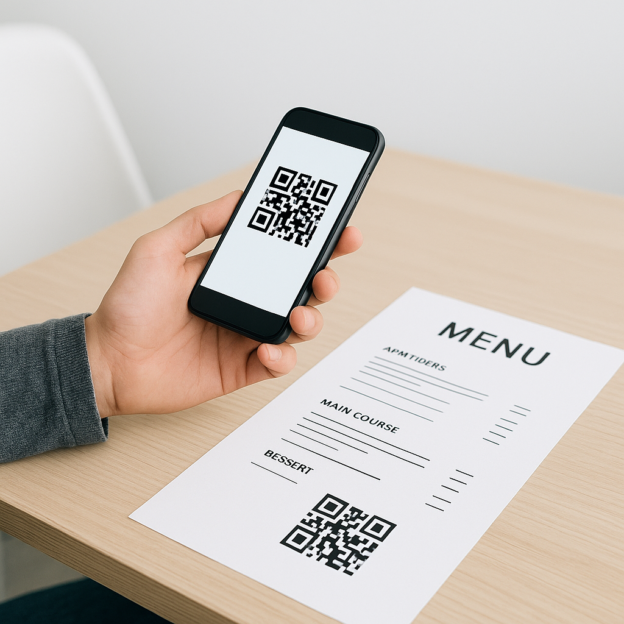
Traditsiooniliste paberil menüüde või hinnakirjade asemel on QR-koodiga PDF-failide kasutamine tõusnud digitaalseks standardiks, eriti avalikes kohtades ja teenindusasutustes. See on hügieeniline lahendus, vähendades kontaktipindu ning võimaldades infomaterjalide kiiret uuendamist ilma trükikuludeta. Oluline on, et veebidisainerid saavad sel moel pakkuda kasutajale sujuva, mobiili- ja kasutajasõbraliku kogemuse. Näiteks restoranides või kohvikutes saab lauakaardile lisada QR-koodi, mille skaneerimisel avaneb menüü igas seadmes täiuslikus formaadis. Samuti on võimalik kasutada PDF QR-kood lahendusi ka hotellides, näitustel või messidel hinnakirjade ja infojuhendite jagamiseks. Selline süsteem võimaldab kiireid uuendusi ja säästab pikas perspektiivis nii aega kui ka ressursse.
Kuidas luua funktsionaalne ja mugav PDF QR-kood?
QR-koodi haldamine PDF-failide jaoks on muutunud lihtsaks tänu spetsiaalsetele tööriistadele nagu PDF QR-kood generaator. Esiteks tuleks veenduda, et loodud PDF on mobiilisõbralik: vältida tasub väga väikseid fonte, laiemat veerist või liigseid graafikaelemente, mis võivad väiksemal ekraanil halvasti välja näha. Järgmisena laadi PDF turvalisse pilvekeskkonda või otse QR-koodi teenusesse ning loo unikaalne QR-kood, mille link viib selle failini. Koodi saab seejärel lihtsalt paigutada disainitud trükimaterjalidele või veebilehele. Funktsionaalsuse seisukohalt on oluline testida QR-koodi erinevates seadmetes, et veenduda PDF avanemises probleemideta ning failide suurus ja laadimiskiirus jäävad optimaalseks. Parima kasutajakogemuse loomiseks võiks koodil olla selgitus, mida kasutaja pärast skanneerimist näeb.
Parimad disainivõtted QR-koodiga PDF jaotuste jaoks
QR-koodide lisamine kodulehele või trükimaterjalidele nõuab tasakaalu funktsionaalsuse ja esteetika vahel. Disainerina soovitame hoida QR-koodi ümbritsev disain puhas ning anda piisavalt tühja ruumi, et vältida visuaalset ülekoormust. Soovitame kasutada selgeid juhiseid stiilis “Skaneeri menüü avamiseks” või “Tutvu hinnakirjaga siin”, mis aitavad kasutajal kohe mõista, mida koodiga teha. Kui koduleht on ehitatud Bootstrap’i või mõne muu raamistikuga, siis saab QR-koodid dünaamiliselt kuvada vastavalt seadme suurusele, pakkudes alati optimaalset kasutajakogemust. Tasub tähelepanu pöörata ka ettevõtte brändivärvide kasutamisele QR-koodi raamides või saatetekstis, et säilitada kogu lahenduse ühtne stiil. Rohkem loomingulisi ideid, kuidas veebilahendustega värskelt silma paista, leiab näiteks meie artiklist ilmete teenuste kasutajaliideste inspiratsioon.
Mida kontrollida QR-koodiga PDF-lahenduse paigaldusel?
Praktilises vaates tuleks enne PDF QR-koodi laivi minekut veenduda, et kõik vajalikud detailid on korrektselt lahendatud. Kontrolli, et:
- PDF on uuendatud ning info asjakohane;
- Faili turvalisus on tagatud (pääs ainult soovitud kasutajatele);
- QR-koodi asetus on nähtav ja kasutajale loogilises kohas;
- Kasutusjuhis on selgelt lisatud (nt “Skaneeri menüü jaoks”);
- PDF avaneb korrektselt kõigis suuremates nutiseadmetes ja erinevates brauserites;
- Vajaduse korral on koodi jälgitavus ja klikkide statistika lubatud (näiteks reklaamikampaaniate või menüüpopulaarsuse analüüsimiseks);
Seda nimekirja järgides saab vältida enimlevinud tehnilisi ja kasutajakogemuse takistusi ning tagada lahendusele maksimaalne kasutajasõbralikkus.
Kuidas võrrelda erinevaid PDF QR-koodi teenuseid?
Valides sobivat lahendust, on soovitatav analüüsida nii funktsionaalsust kui ka platvormi paindlikkust. Otsi süsteemi, kus PDF-faile saab lihtsalt uuendada ja QR-koodi link jääb samaks – see väldib vajadust igal muudatusel materjale uuesti trükkida. Hindamiskriteeriumid võiksid hõlmata:
- Kas keskkond toetab mobiilivaateid ja kiiret failide asendust?
- Kuidas on lahendatud ligipääsude ja linkide haldus?
- Kas teenusel on olemas audit või garantii andmete töötlemise kohta?
- Kas lahendus võimaldab vajaduse korral QR-koodi deaktiveerida või ümber suunata?
- Tugi kas klienditeeninduse või abikeskuse näol küsimuste tekkimisel.
Enne lõpliku otsuse tegemist tasub küsida näidiseid erinevatest teenustest ning katsetada nende praktilist kasutatavust ja kohandatavust enda vajadustele. Täpsem hinnastus kujuneb pärast potentsiaalset testi ja vajaduste kaardistamist.
Turvalisus ja privaatsus PDF QR-koodide kasutamisel
PDF QR-koodi abil info jagamine on kiire ja mugav, kuid turvalisus ei tohi jääda tagaplaanile. Kõigepealt tuleb veenduda, et kasutatav QR-koodi teenus on usaldusväärne ja tagab failide kaitse pahatahtliku ligipääsu eest. Kui jagada tundlikku infot, võib failide kaitsmiseks kasutada salasõnu või lühiajalisi linke. Samuti on kasulik jälgida, kas QR-koodi teenus lubab PDF failide jagamist krüpteeritud ühenduse kaudu ning kas linke saab soovi korral deaktiveerida. Veebiarendaja jaoks tähendab see vajadust valida tööriistad, mis ei sea ohtu kasutajate andmeid ja võimaldavad vajadusel ligipääsu kiiresti piirata. Privaatsuse tõstmiseks võiks kasutajaid teavitada, kas nende tegevusi jälgitakse ja milliseid andmeid kogutakse. Nii väldid ebameeldivaid üllatusi ning tagad usaldusväärse kasutajakogemuse.
Levinud ohumärgid ja vead PDF QR-koodi lahenduse valikul
Turul on palju erinevaid QR-koodi teenuseid ja mitte kõik neist pole ühtviisi usaldusväärsed või kasutajasõbralikud. Mõned ohumärgid, millele peaksid tähelepanu pöörama, hõlmavad:
- PDF-d ei avane või kood viib katkisesse linki;
- Teenuse privaatsuspoliitika või andmekaitse tingimused on ebamäärased;
- QR-koodi disain on liiga keeruline või ei ühildu brändi üldise stiiliga;
- Põhiteenused nagu failide uuendus või deaktiveerimine on piiratud või puuduvad täiesti;
- Pärast info uuendamist vanad koodid enam ei tööta, tekkib vajadus materjale ümber trükkida.
Koheselt tuleks loobuda platvormist, mis ei anna selget tuge või millel on ajalugu turvarikete või andmekadudega. Kvaliteetne kogemus algab selgest suhtlusest ja läbipaistvast infost teenuse tausta kohta.
QR-koodiga PDF-d – tulevikukindel lähenemine digitaalsetele menüüdele ja hinnakirjadele
Kokkuvõtteks võib öelda, et PDF QR-koodide kasutamine menüüde, hinnakirjade ja juhendite jagamiseks on nutikas, tõhus ja ajakohane lahendus igale disainerile või ettevõttele, kes soovib pakkuda innovatiivset ning hügieenilist kliendikogemust. Nii on võimalik vältida liigseid kulutusi paberile ja trükile ning tagada info ligipääsetavus igal ajal, igas seadmes. PDF QR-koodi loomine on lihtne, kuid oluline on alati järgida nii disaini kui turvalisuse põhimõtteid. Inspiratsiooni erinevate digilahenduste kohta leiab meie blogist lisaks ka sellest, kuidas sponsorartiklid tõstavad kodulehtede nähtavust Google’is. Uuenda oma PDFide jagamise viisi juba täna ja avasta, kui palju kasutajamugavust üks väike kood suudab tuua!